
A Tip for Creating Characters
My children’s picture book/early chapter book, Helping Herbie Hedgehog, was released a while ago, and since then Herbie Hedgehog and I have participated in numerous interviews and other promotional venues.
One of my favorite features appeared on author Kai Strand’s blog in a feature called Building Character.
In this feature, Kai interviews a story’s main character.
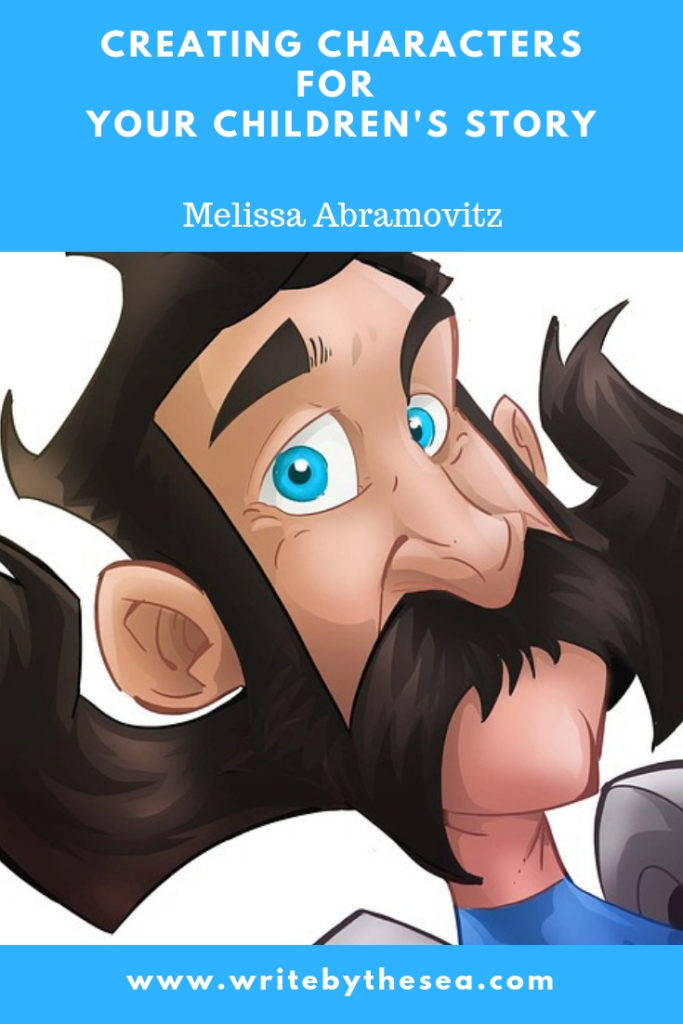
I mention this here because many authors struggle to create fully developed, believable characters, and doing character interviews is one method I (and many authors) use to achieve this goal.
When I first started writing professionally, I followed my writing instructors’ recommendations and dutifully wrote detailed character sketches, describing everything conceivable about my story characters’ physical appearance, likes, dislikes, background, important experiences, and anything else that might affect his or her motivations and actions.
Then, after attending a writer’s conference in which one editor spoke about using character interviews to help create characters, I tried this technique and was amazed at how much better it worked for helping me get to know my characters.
By formulating interview questions designed to get my characters to speak about various aspects of their lives in their own voices, I forced myself to create a consistent and unique voice for each of them when I “listened to” and wrote down their answers.
Yes, at first it felt a bit weird to interview imaginary characters aloud and to answer my questions in the characters’ voices.
If anyone heard me doing this, they would probably call me “crazy.”
But that’s okay; anyone who writes about a hedgehog who crosses the ocean on a bicycle is probably not completely sane anyway.
So what types of questions should you ask your characters in a character interview?
If you have ever interviewed people for nonfiction magazine articles or similar pieces, you probably asked questions that allowed you – and your prospective audience – to get to know the person better and to find out about whatever the article is focusing on.
For example, when I interviewed several professional athletes who live with chronic diseases for a Boys’ Life article several years ago, I asked them questions about how their medical conditions made their paths to a professional sports career different than those of other athletes.
I also asked how they overcame any associated obstacles, and how they dealt day-to-day with meeting the rigorous demands of a professional sports career.
When you interview a story character, ask similar appropriate, open-ended questions that will help you understand the character’s strengths, weaknesses, vulnerabilities, needs, wants, and life events that shaped him or her.
By open-ended, I mean questions that cannot be answered “yes” or “no.”
You will undoubtedly obtain much more information than you need to write your story, and much of the information will never appear in the completed draft.
But the insight you gain will help you develop fully rounded, true-to-life individuals that readers want to get to know.
Oh, if you want to read Herbie Hedgehog’s interview, it’s at http://bit.ly/1C4SGHt
I thought Kai asked some great questions, and I thought Herbie did a great job of telling me how to answer.
For more tips and resources for creating characters, read this post, Tips for Creating Characters Who Move Your Story Along.
About Melissa Abramovitz
 Melissa Abramovitz is an award-winning author/freelance writer who has been writing professionally for 30 years. She specializes in writing nonfiction magazine articles and books for all age groups and has published hundreds of magazine articles, more than 40 educational books for children and teenagers, numerous poems and short stories, the children’s picture books ABCs of Health and Safety and Helping Herbie Hedgehog, and a book for writers titled A Treasure Trove of Opportunity: How to Write and Sell Articles for Children’s Magazines. Visit her website at www.melissaabramovitz.com
Note: This post may contain some affiliate links for your convenience (which means if you make a purchase after clicking a link I will earn a small commission but it won’t cost you a penny more)! Read my full disclosure and privacy policies...



2 Comments
Comments are closed.